I’m lucky enough to be going to on a trip to New York with my daughter in a week’s time and it goes without saying that I can’t wait. The list of things to see and do is already quite long and new things get added every day.
Any trip away requires planning, although in my case it’s not really what to wear that takes up most of my attention, but rather what book to take on the plane. The decisions about what clothes to take are relatively easy as I don’t really have that many clothes, but the decision about what book to take is more difficult because there are just so many choices.
It’s important to get your book choices just right when you are flying long distances.
I remember going on a trip to New Zealand a few years ago. It’s only a three and a half hour flight from Sydney, but it seemed endless because I’d chosen the wrong book. I really hated the book I’d taken and spent the entire trip trying to read Harry Potter over the shoulder of the woman sitting next to me. I’m sure she thought I was weird.
I know you probably think that I should just take a bunch of different books on my iPad, but sometimes your eyes get quite irritated on a long flight and I find an actual books to be more soothing.
This leads me to the first thing on the list of plane reading requirements (after being interesting and engaging) which is that the print should be large. I can no longer read really tiny print at the best of times, and certainly not when I’ve been awake for over 20 hours.
Secondly, the book needs to be not too heavy both in terms of storyline and physical weight. No gut-wrenching memoirs, thank you. I don’t enjoy reading anything dry (no biographies), but I’m sure there is a sweet spot of books that are page turners but also well written. I quite like hopeful books and psychological thrillers, but I’m not a fan of too many gruesome details.
A couple of books on my list of possibilities are Queenie, by Candice Carty-Williams. This book sounds interesting, if a little confronting, so perhaps not the thing for a long plane trip. My sister has also recommended The Seal Woman’s Gift, which sounds interesting and extraordinary. If it doesn’t make it on the plane, it’s definitely on my TBR.
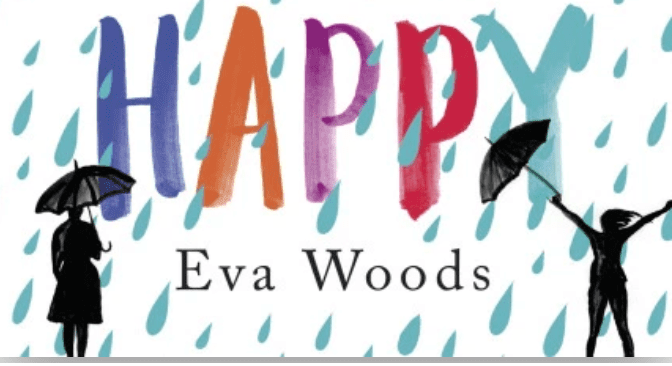
Some other books on the list are How to be Happy by Eva Woods and Strangers at the Gate by Catriona McPherson, which sounds pretty thrilling.
If you have any suggestions, I would love to hear them. If they don’t make it onto the plane, I’ll definitely check them out, so please share your favourite recent reads.