More confusion

Apparently I confused more than one reader when the sign I discussed in my last post didn’t actually show up in the message. This is apparently a function of the blog software which I use  so I have learnt something from that exercise.

Here is the photo of the speeding sign for those of you who missed it.

Must we really drive too fast?

Here’s another sign I found very amusing.

Screen shot 2013-09-22 at 8.37.44 PMHave a great week!


Enhanced by Zemanta

Confusing signs

On our recent trip we were  amused by this road sign exhorting us to drive as quickly as we could.

You sometimes wonder who on earth writes these signs and whether or not anyone actually reads them before they go on display. In this instance I think that most people would work out what the real message was, but sometimes poor signs can have disastrous consequences.

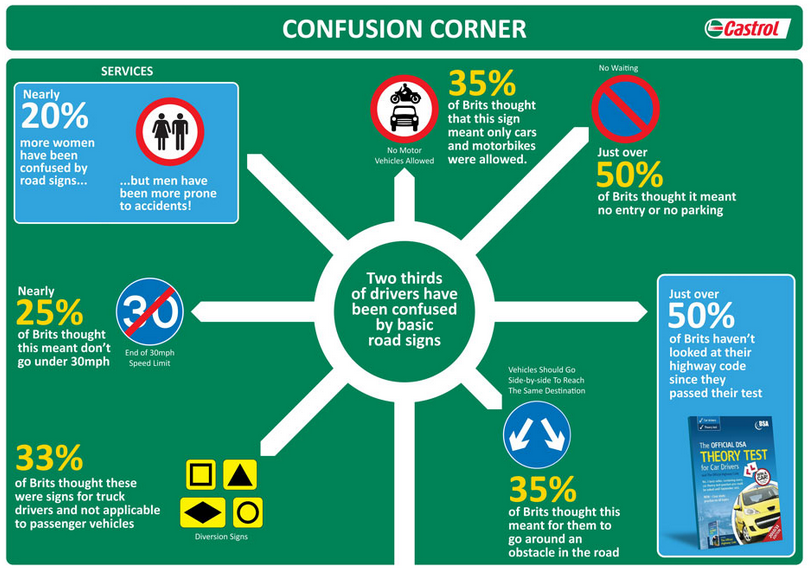
This infographic from the Guardian shows that many people in Britain are more than a little confused about what the various road safety signs actually mean, and I think this would be the case in most countries.

Confusion corner

What makes a good sign?

As with most things, typography is important. The font used in all British road signs was developed specifically for that purpose and is designed to be legible at a distance. Not only does the type have to be very clear (no serifs or curly bits required thank you), but the spacing between the letters needs to be exactly right. Adjusting the spacing between the letters is called kerning.

Diagrams need to be as unambiguous as possible. If you are designing a sign or instructions of any kind you need to make sure that you test them out on as many people as possible to make sure that they are not misinterpreted. In your focus group you should include older and younger people and people from as wide a range of cultural backgrounds as possible.

Your sign needs to contain the minimum amount of information required to make it meaningful and the colours need to be chosen to allow for conditions such as colour-blindness.

I know that not all of you spend your days designing signage, but the same rules apply if you are making instructions for how to get to your house, or how to use the photocopying machine at work. These are not necessarily matters of life and death but people appreciate clarity and will be grateful if you make the effort.

Here is my favourite example of an hilarious sign…

Do not read

Enhanced by Zemanta

Fields of gold

I’ve recently been on a little road trip into the Australian countryside. It seems that despite droughts, flooding rains and the odd election, the country is still very beautiful. We saw plenty of green rolling hills, sheep, cattle and quite a few alpacas.

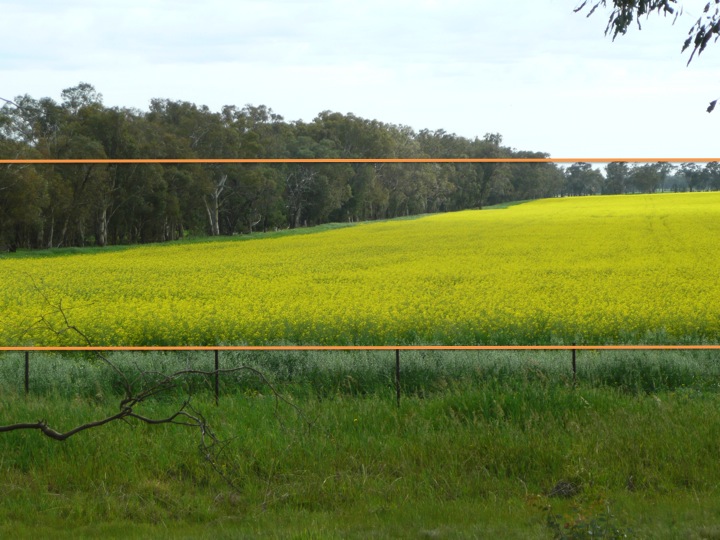
One thing I noticed on my travels were the fields of canola, which I think is a relatively recent crop in Australia. This prompted me to take a few photos which I thought I’d share. What’s interesting is that I took these shots without wearing my glasses (too lazy to take them out of my bag) so I couldn’t really see what I was doing. Fortunately, they came out quite well thanks to employing the rule of thirds. This rule is well known to most photographers, and is the first thing you learn if you study photography or design. Basically, it means that you divide the page into thirds and place your horizons or focal points on one of the lines of the grid, rather than plonking things in the middle of the screen.

Slide1

Here is an excellent explanation from Darren Rowse from the Digital Photography School in case you are unfamiliar with the concept.

It a kind of foolproof method for taking a decent shot, even when you can’t see that well what you are doing!

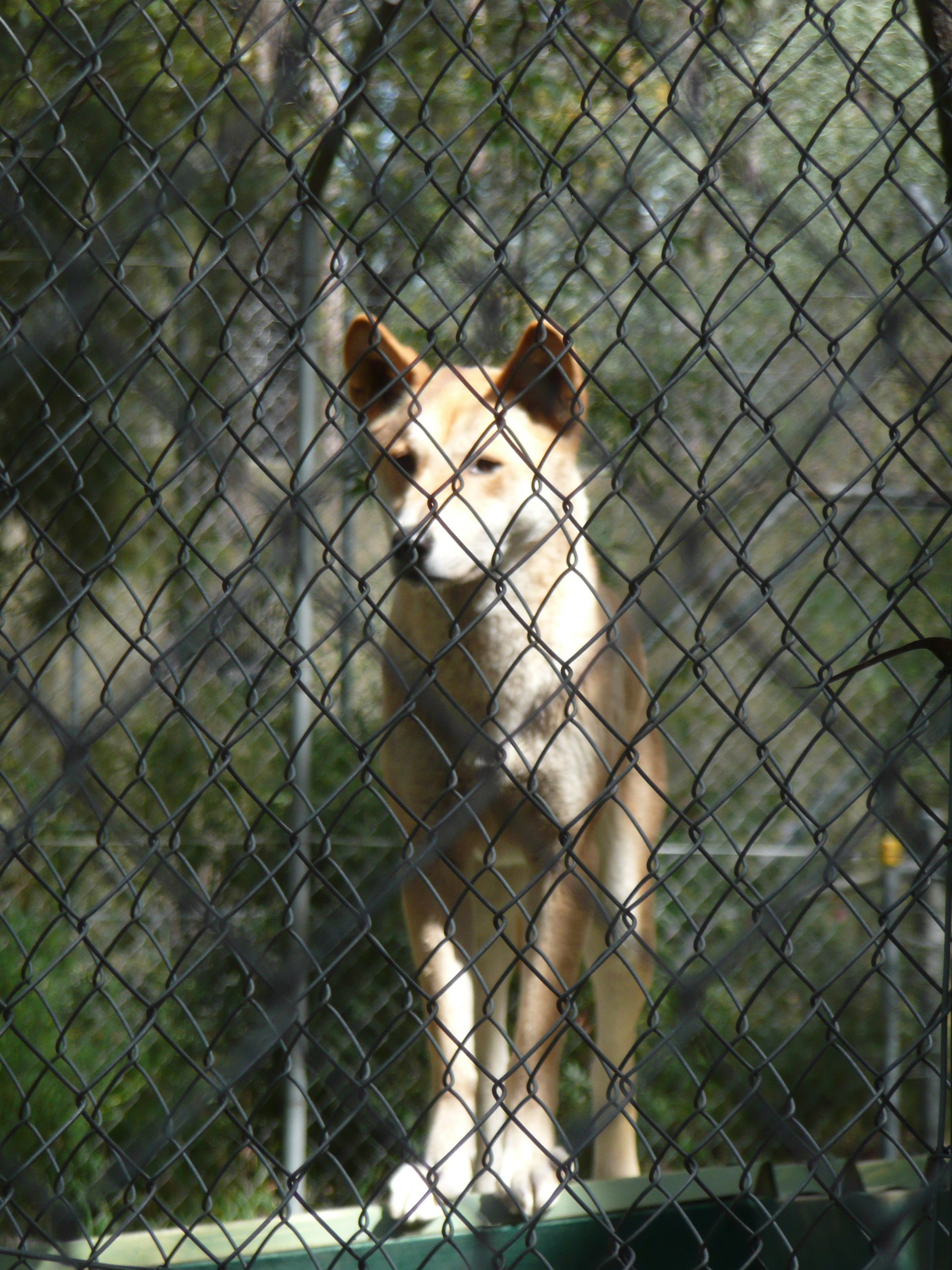
The shots below were taken at a dingo sanctuary in Bargo, NSW. The dingoes were in beautiful condition and seemed quite friendly, although we were not allowed to get too close to them. To be honest, I think my husband took the first photo, but he has a natural eye for composition.

P1010907

P1010903It was a wonderful opportunity to have some time away from work, relax and recharge. I highly recommend taking a break away from your normal routine if you get a chance and don’t forget to take your camera.